
0505 / Virtualization, cloud and computing
Virtualization migration and resource consolidation
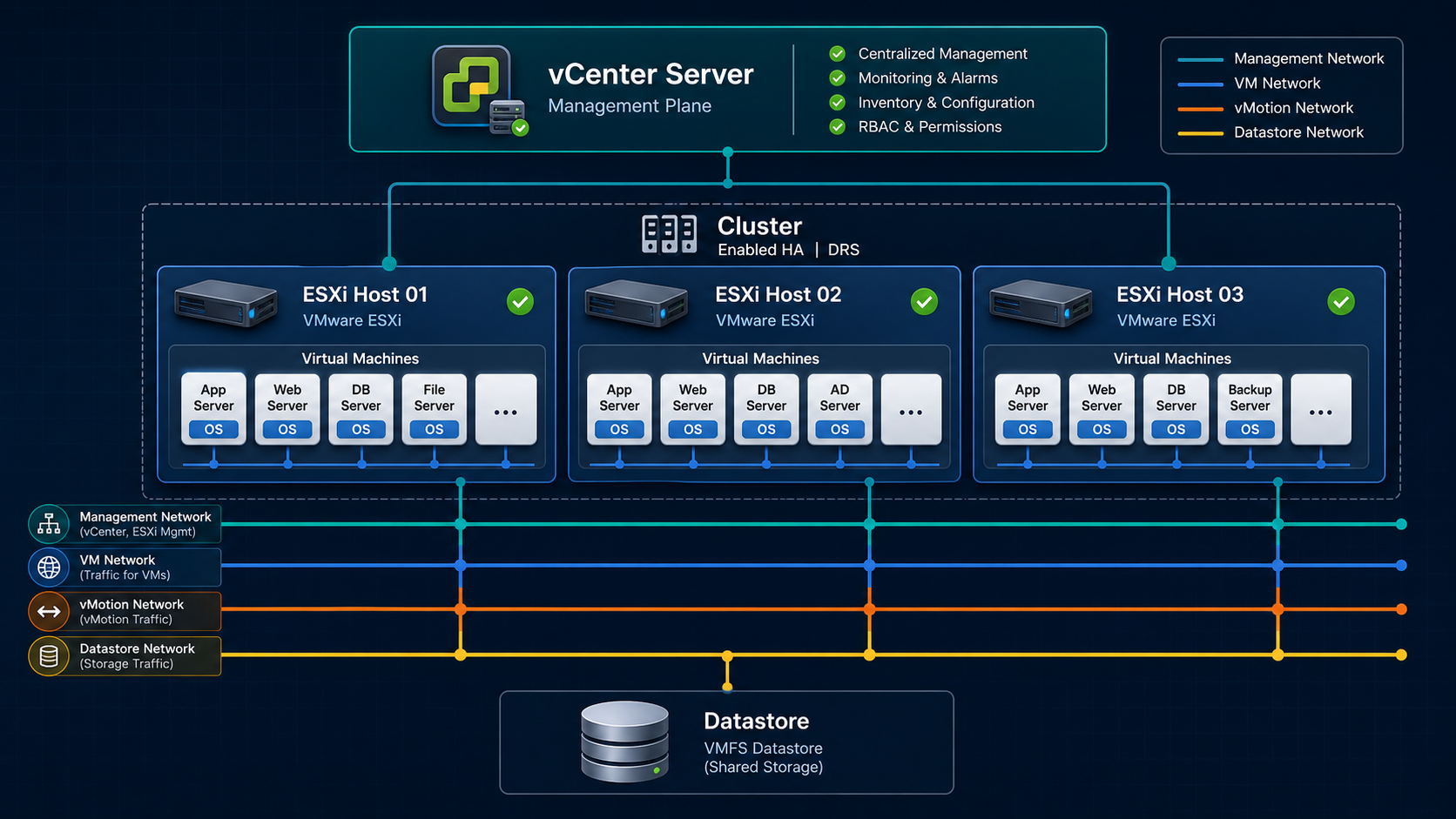
Migrate and consolidate physical and virtual resources around dependencies, capacity, migration waves, maintenance windows, rollback validation and operating handover.
 DEPENDENCY CHECKROLLBACK READY
01MIGRATION DECISION / START WITH RISK
Make the cutover clear
before making migration fast.
What shapes migration results is rarely the copy action itself. It is dependencies, capacity, windows, rollback and who confirms the result.
Sequence waves by dependencies, risk and windows instead of switching everything at once.
Sequence waves by dependencies, risk and windows instead of switching everything at once.
Validate networking, storage, identity and application access before cutover.
Validate networking, storage, identity and application access before cutover.
Keep rollback triggers and owners for every migration wave.
Keep rollback triggers and owners for every migration wave.
Hand migration results, configuration, issues and operating ownership to operations.
Hand migration results, configuration, issues and operating ownership to operations.
02MIGRATION CONTROL PLANE / LIVE DECISION
Give every cutover
an explainable path.
From source environment to target pool, the migration path must carry technical checks, business confirmation and rollback boundaries. Select a decision surface to see the evidence each phase should leave.
CONFIRMCHECKPOINT
Define the virtualization migration scope before selecting products
Define the virtualization migration scope before selecting products
Start with workloads, dependencies, access boundaries and operating requirements, then decide the platform shape.
- Workloads and dependenciesIdentify workloads, service dependencies, data paths and peak demand.
- Access and ownershipClarify identities, permissions, operating roles and support boundaries.
- Capacity baselineConfirm compute, storage, network and growth assumptions before delivery.
03DELIVERY RHYTHM / MOVE IN WAVES
From assessment to handover,
every step leaves evidence.
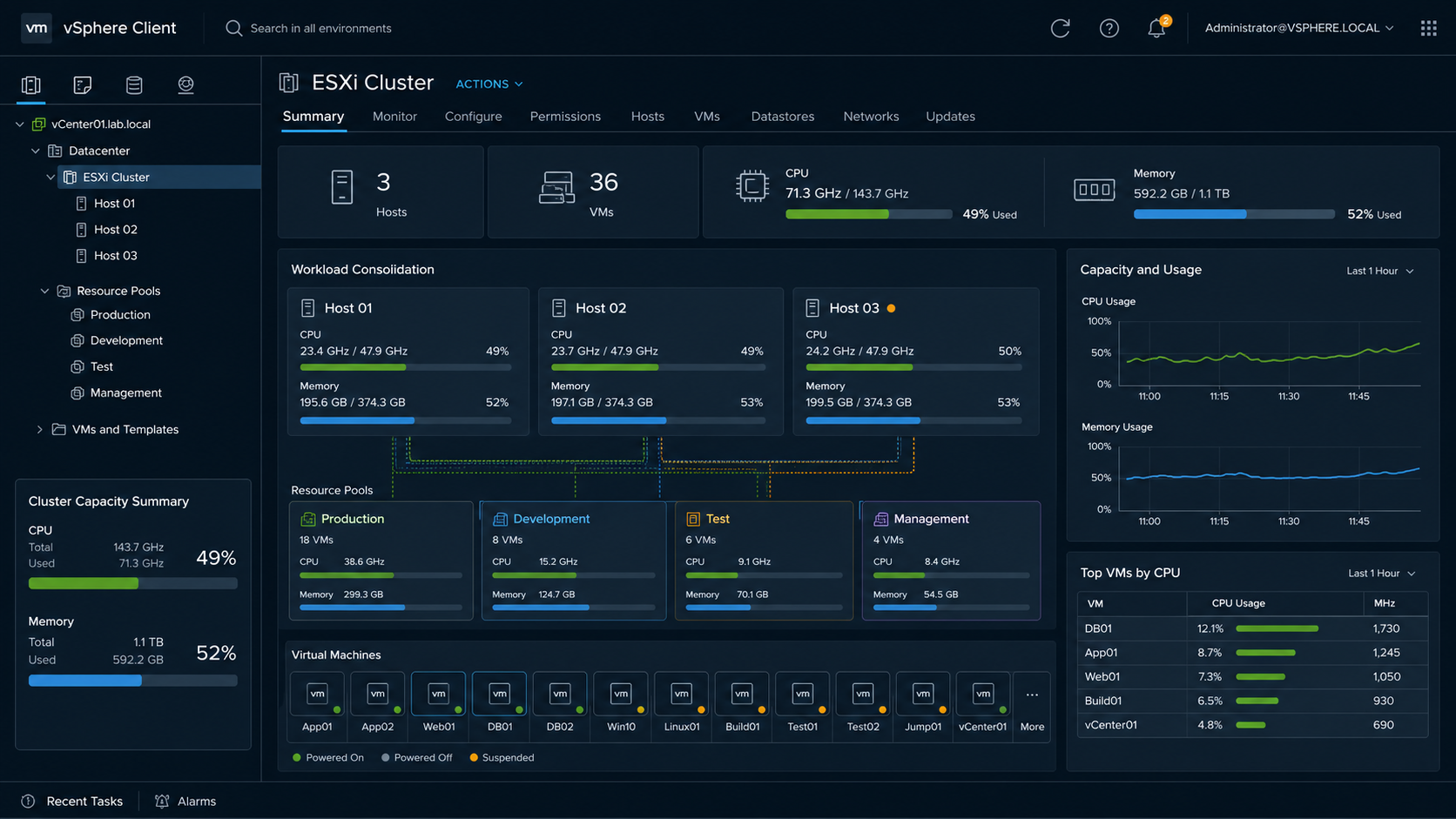
Migration waves isolate, record and review issues while giving business teams clear confirmation points.
01STAGE NOTE
Define the virtualization migration scope before selecting products
Start with workloads, dependencies, access boundaries and operating requirements, then decide the platform shape.
- Workloads and dependenciesIdentify workloads, service dependencies, data paths and peak demand.
- Access and ownershipClarify identities, permissions, operating roles and support boundaries.
- Capacity baselineConfirm compute, storage, network and growth assumptions before delivery.
04HANDOVER EVIDENCE / RESULTS YOU CAN REVIEW
After migration,
the operating baseline is the real delivery.
Start with workloads, dependencies, access boundaries and operating requirements, then decide the platform shape.
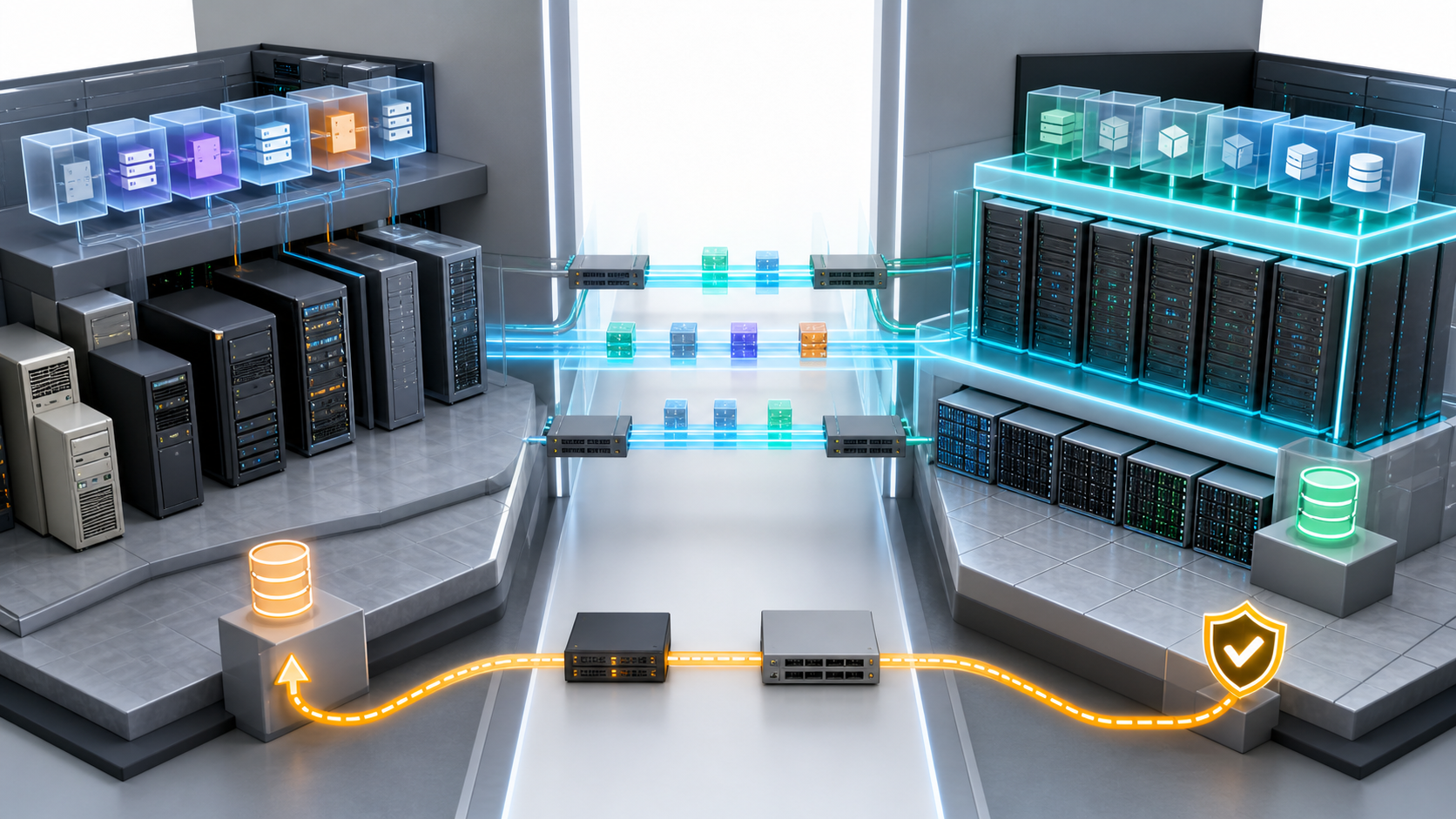
The platform is reliable only when compute, storage, network, identity and operations are designed as one delivery boundary.
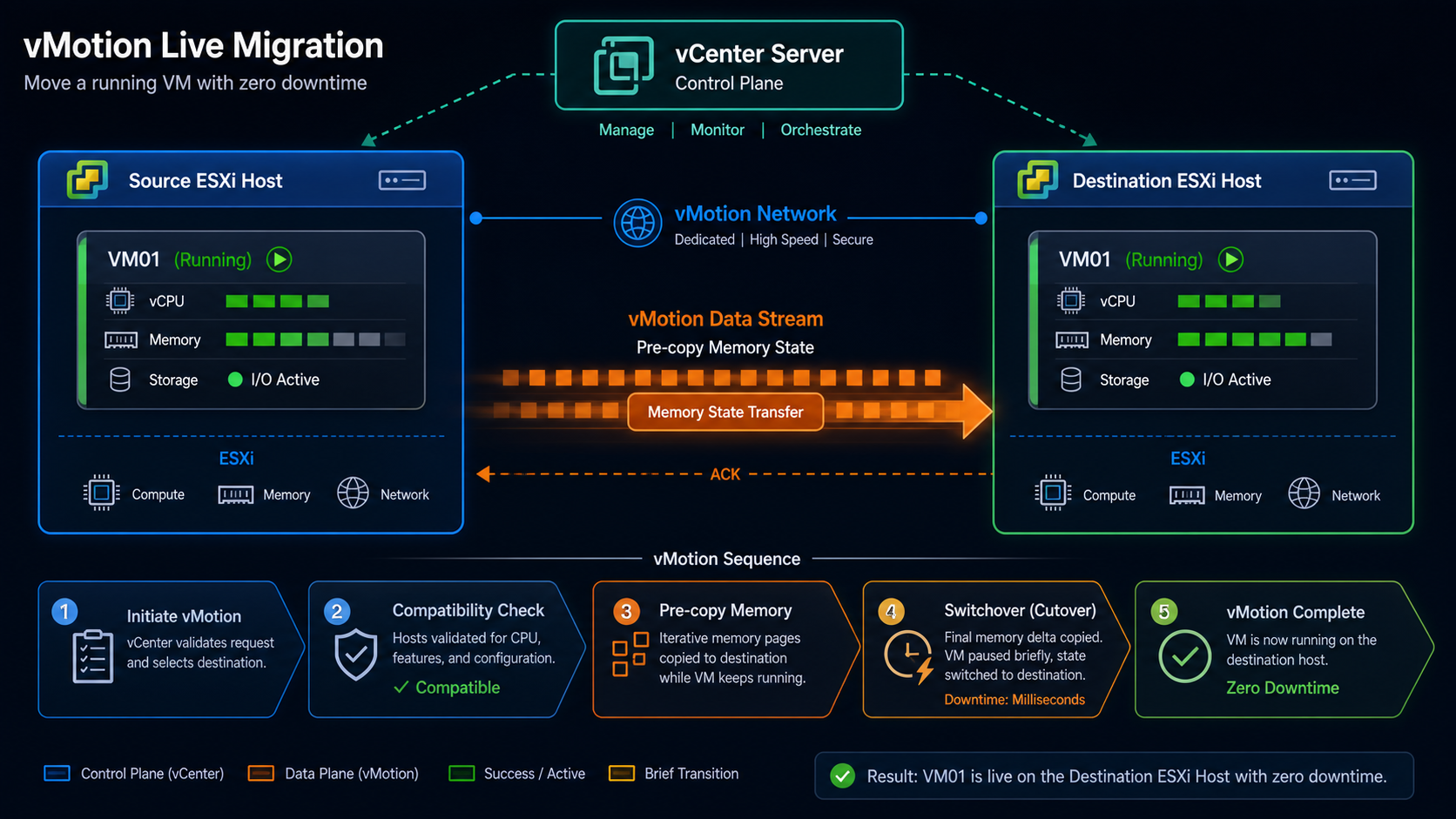
Use a staged path so compatibility, performance, access and rollback conditions are tested before wider adoption.
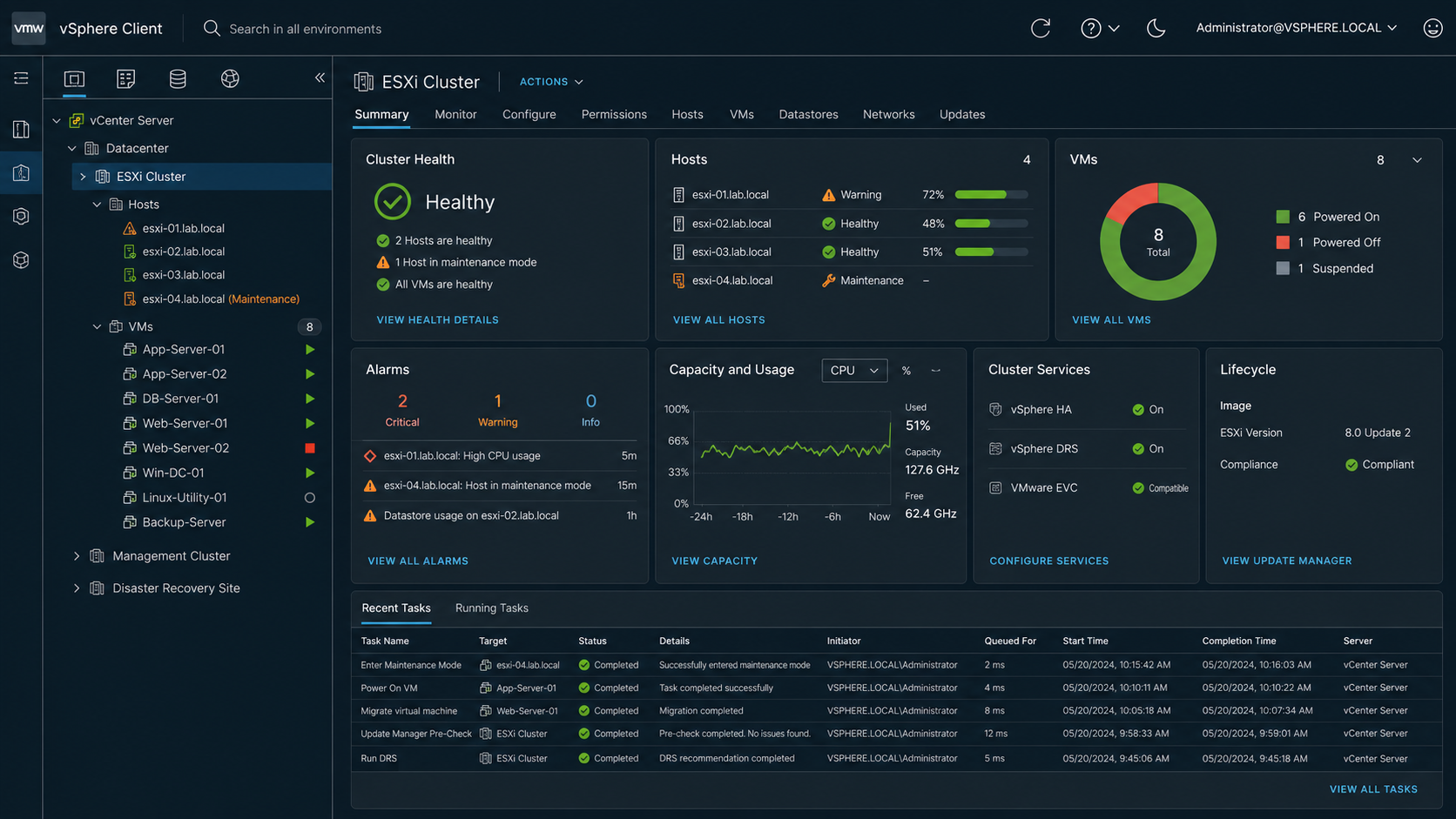
The handover baseline should make future expansion, troubleshooting and change decisions easier to trace.
06COMMON QUESTIONS / CLARIFY FIRST
Migration is not luck.
It is boundaries.
Separate business dependencies, technical checks, business confirmation and rollback ownership so the plan can be executed.
01What should be confirmed before implementing virtualization migration?+
Confirm workloads, dependencies, capacity, network paths, identities, support ownership, maintenance windows and rollback conditions.
02Should the project start with a pilot?+
A focused pilot is recommended when workloads, users or compatibility conditions differ. It makes experience and operating assumptions testable.
03How is future expansion handled?+
Reserve capacity, interfaces, network paths, operating space and documentation standards during the initial design.
07PUT YOUR ENVIRONMENT ON THE TABLE
See the dependencies first.
Then decide the cutover.
If you are planning server or desktop virtualization migration, server consolidation or a resource-pool cutover, start with the system list, application dependencies, current capacity and business windows.