草莓视频www.5.app-久久久久免费视频-午夜成人影视-青楼女人绝活免费观看电视剧完整版-欧美视频区-久久久久影视-97超碰资源-波多野结衣视频一区-午夜天堂精品-色播视频在线观看-91福利视频网-男女小黄文-95久久-嗯嗯嗯啊啊啊啊啊啊-911亚洲精选-欧美a网站-hdsexvideos日本少妇-亚洲图片 欧美-黄色片女人-毛片在线视频观看-男人桶女人鸡鸡-99精品综合-国产日韩欧美在线观看视频-国产二级一片内射视频播放-www国产成人-性生活二级片-亚洲伊人色欲综合网-香港三级电影院-免费观看的黄色-色电影网址

GPU / HPC

GPU & HPC infrastructure

Choose resources around the workload, then verify compute, network, storage and scheduling. Not an on-demand GPU platform.

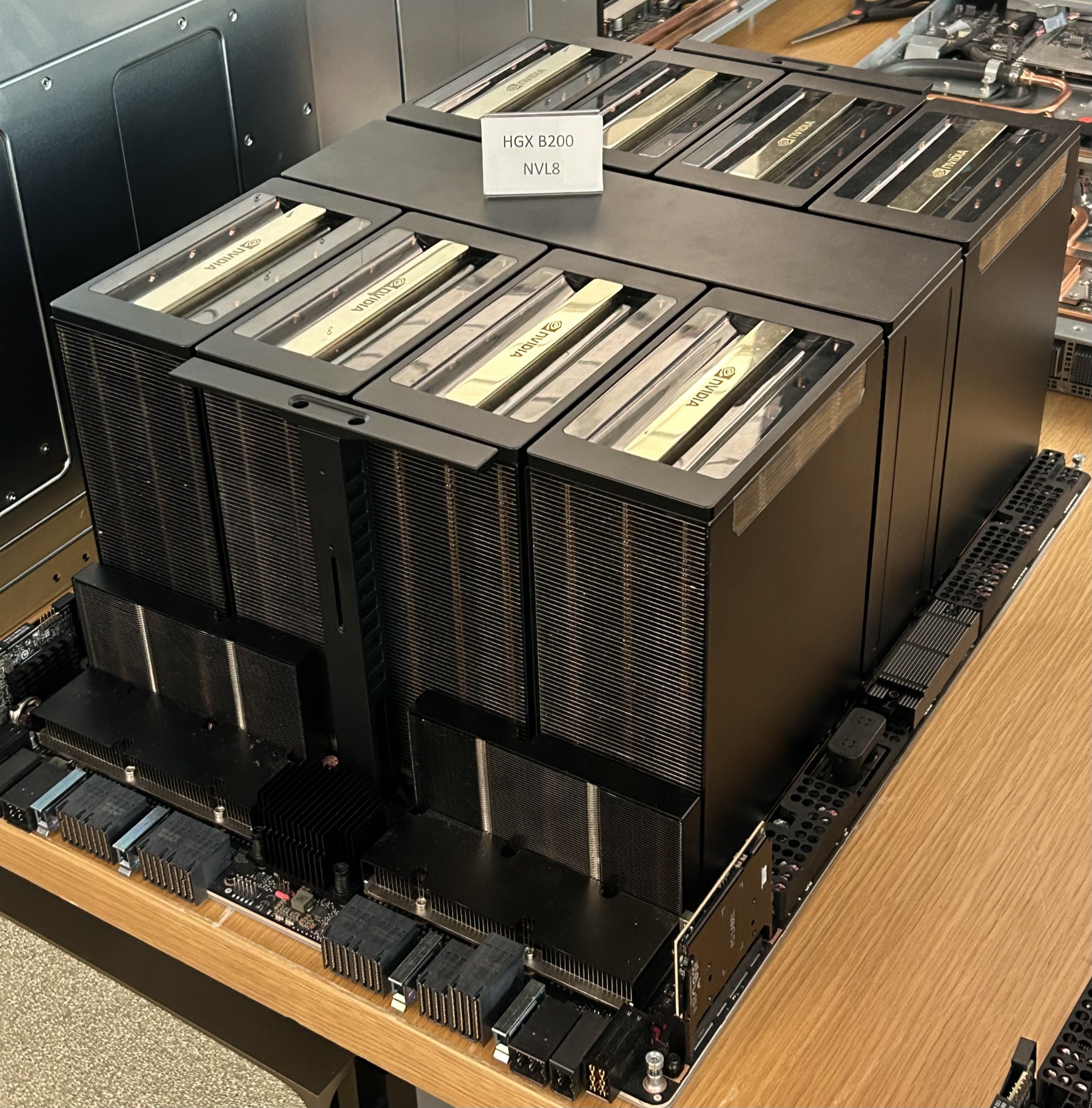
Photo: Pokiiri / Wikimedia Commons / CC BY-SA 4.0

Start with the workload, then shape the platform

Build a scalable and verifiable enterprise HPC platform around GPU/CPU nodes, high-speed interconnects, shared storage, job scheduling, software environments, cooling and power.

Define the high-performance computing scope before selecting products

Start with workloads, dependencies, access boundaries and operating requirements, then decide the platform shape.

  • Workloads and dependenciesIdentify workloads, service dependencies, data paths and peak demand.
  • Access and ownershipClarify identities, permissions, operating roles and support boundaries.
  • Capacity baselineConfirm compute, storage, network and growth assumptions before delivery.
HPC advantage comes from coordinated compute, data paths and scheduling

GPU/CPU nodes only become an effective computing platform when high-speed interconnects, shared storage, job queues, software environments and operating records are designed together.

  • Organize CPU, GPU and memory into schedulable resource pools.

    Organize CPU, GPU and memory into schedulable resource pools.

  • Allocate resources by job requirements, queues and business priority.

    Allocate resources by job requirements, queues and business priority.

  • Match compute nodes, shared storage and network paths to actual data throughput.

    Match compute nodes, shared storage and network paths to actual data throughput.

  • Keep job, resource, version, fault and result records for continuous optimization.

    Keep job, resource, version, fault and result records for continuous optimization.

Match resources to the data path

Connect the high-performance computing architecture layers

The platform is reliable only when compute, storage, network, identity and operations are designed as one delivery boundary.

Workload conditions

  • Workloads and dependenciesIdentify workloads, service dependencies, data paths and peak demand.
  • Access and ownershipClarify identities, permissions, operating roles and support boundaries.
  • Capacity baselineConfirm compute, storage, network and growth assumptions before delivery.

Compute resources

  • CPU nodesMatch the resource to the work instead of adding one device in isolation.
  • GPU nodesMatch the resource to the work instead of adding one device in isolation.
  • Memory and resource poolsMatch the resource to the work instead of adding one device in isolation.

Data path and control

  • Platform layerMap hosts, clusters, pools, storage and network paths.
  • Policy layerUse identity, placement, resource and service policies to control access.
  • Operations layerDefine monitoring, change, backup, incident and handover records.

Job and operating evidence

  • Assess
  • Pilot
  • Scale
  • Verify

Lines show dependency paths, not live monitoring data.

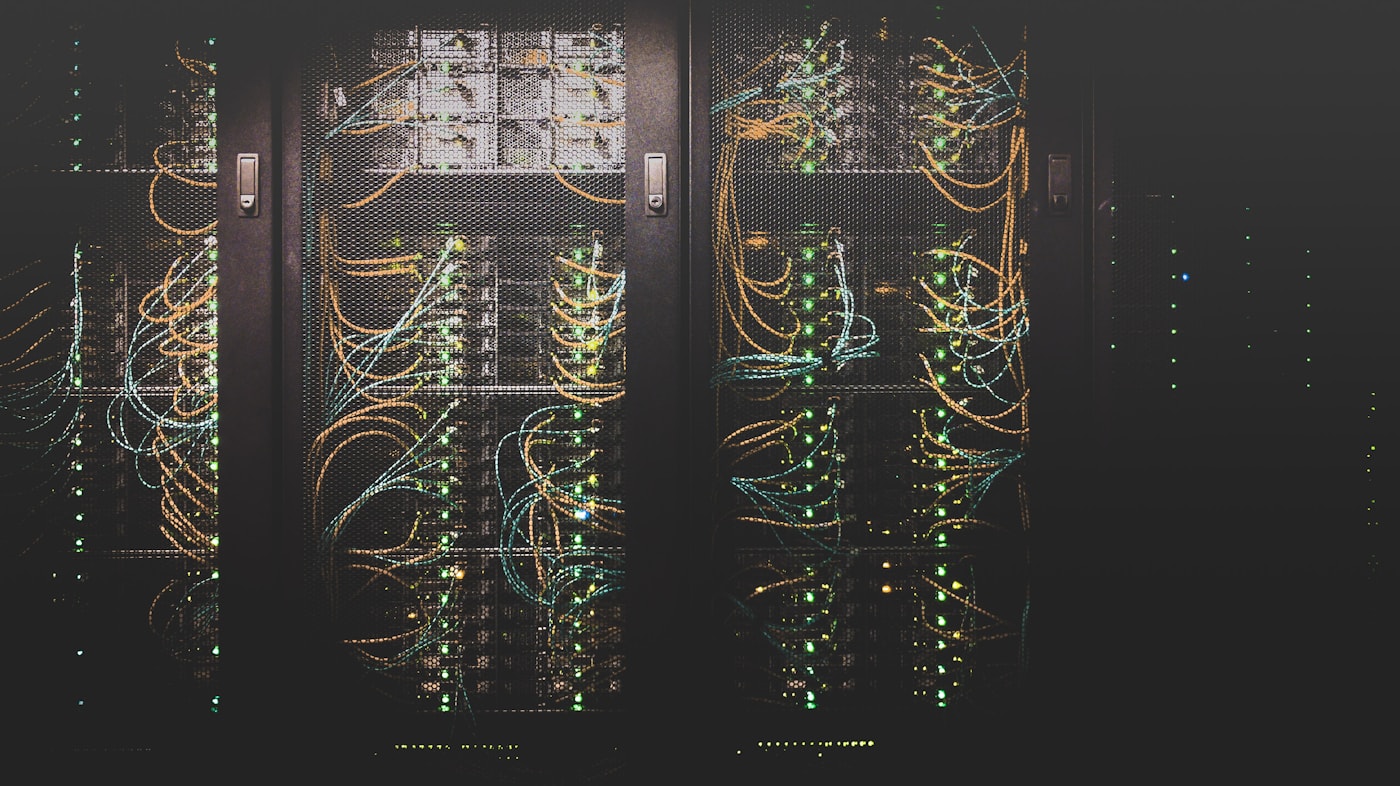
Server rack detail showing cable paths and operating hardware
Rack detail as a visual reference for compute, networking and operating conditions.Rack photo: Unsplash License. Cropped and resized for this page.

From hardware to a verifiable job

Move from assessment to a verifiable delivery path

Use a staged path so compatibility, performance, access and rollback conditions are tested before wider adoption.

Assess

Inventory workloads, versions, dependencies, users and constraints.

Pilot

Validate representative workloads, policies, performance and user access.

Scale

Expand by business wave with change windows and a support path.

Verify

Close with test results, configuration records and operating ownership.

Operations keep resources, software and recovery visible

Keep capacity, policy and recovery visible after go-live

The handover baseline should make future expansion, troubleshooting and change decisions easier to trace.

Capacity and performance

Track utilization, headroom, latency and growth against the baseline.

Policy and change

Keep versions, permissions, configuration and approval records current.

Incident and recovery

Use monitoring, logs, runbooks and validation records to support recovery.

Questions specific to GPU and HPC infrastructure

What should be confirmed before implementing high-performance computing?

Confirm workloads, dependencies, capacity, network paths, identities, support ownership, maintenance windows and rollback conditions.

Should the project start with a pilot?

A focused pilot is recommended when workloads, users or compatibility conditions differ. It makes experience and operating assumptions testable.

How is future expansion handled?

Reserve capacity, interfaces, network paths, operating space and documentation standards during the initial design.

Start with a workload and its operating boundary

Share the current workload, data path, capacity concern or scheduling issue so the practical scope can be reviewed.

Contact a technical consultant